Protecting Today to Save Tomorrow Why Environmental Conservation Can’t Wait

The environment is sending us clear signals—rising temperatures, polluted air, disappearing green spaces, and unpredictable weather patterns. These are not distant threats; they are challenges we face every day. Environmental conservation is no longer a choice for the future—it is an urgent responsibility of the present. At P3 Foundation, we believe that protecting nature today is the only way to secure a sustainable tomorrow.

The Cost of Delayed Action

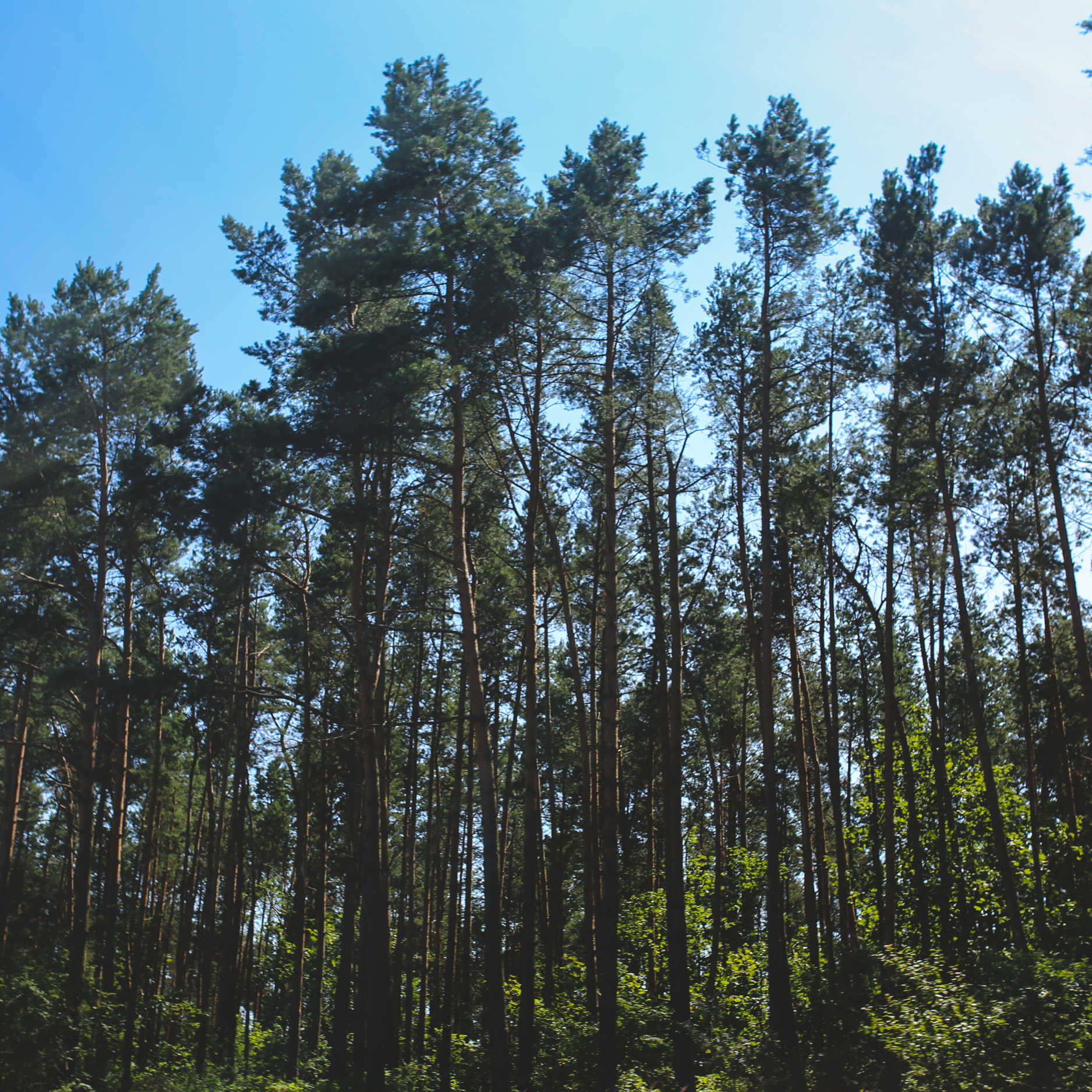
Years of unchecked development and overuse of natural resources have pushed ecosystems to the edge. Forests are shrinking, water sources are depleting, and biodiversity is declining at an alarming rate. Delaying conservation efforts only increases environmental damage and makes recovery more difficult and costly.

The time to act is now.

Why Conservation Matters More Than Ever

Environmental conservation directly impacts:

  • Clean air and water

  • Food security and agriculture

  • Climate stability

  • Human health and well-being

Protecting natural ecosystems ensures that future generations inherit a planet capable of supporting life.

Urban Conservation: A Growing Necessity

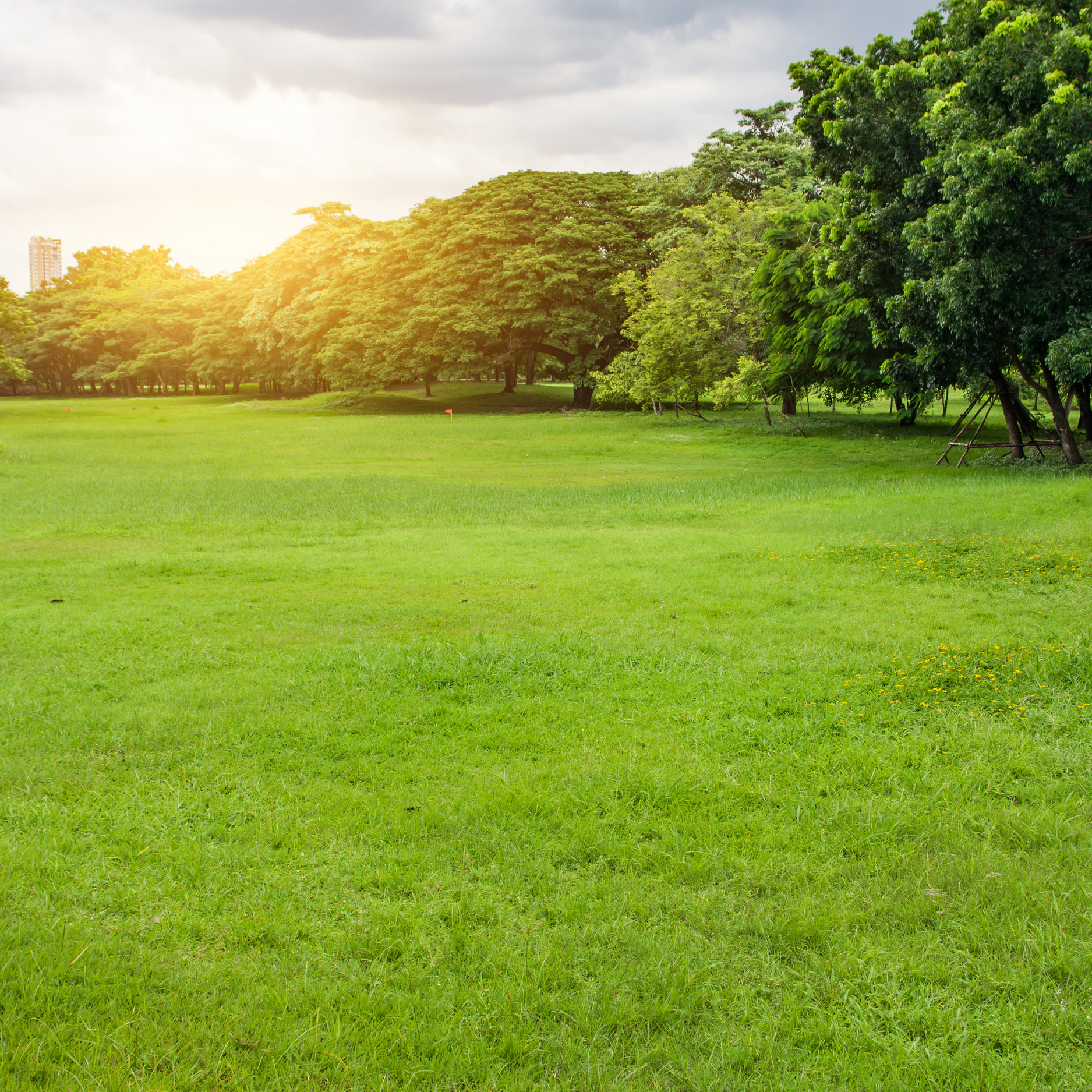
Cities are expanding rapidly, often at the cost of green spaces. Restoring parks, planting trees, and protecting urban ecosystems are essential steps toward:

  • Reducing pollution

  • Combating heat islands

  • Improving quality of life

Urban conservation is a powerful tool for environmental resilience.

Strengthening Communities Through Shared Spaces

A well-maintained park becomes a gathering place for people of all ages. Restoration projects foster:

  • Community pride and ownership

  • Volunteer engagement

  • Environmental awareness

  • Safer and cleaner neighborhoods

When people care for shared spaces, cities become more inclusive and connected.

The Role of Communities in Conservation

Sustainable environmental protection cannot succeed without community involvement. When people take ownership of their surroundings, conservation efforts become long-lasting and impactful. Small actions—planting trees, protecting parks, reducing waste—create meaningful change when done collectively.

Restore and protect public green spaces

Promote tree plantation and biodiversity

Raise environmental awareness

Encourage sustainable practices

Share This Post :