Parks: The Green Lungs of Urban Life
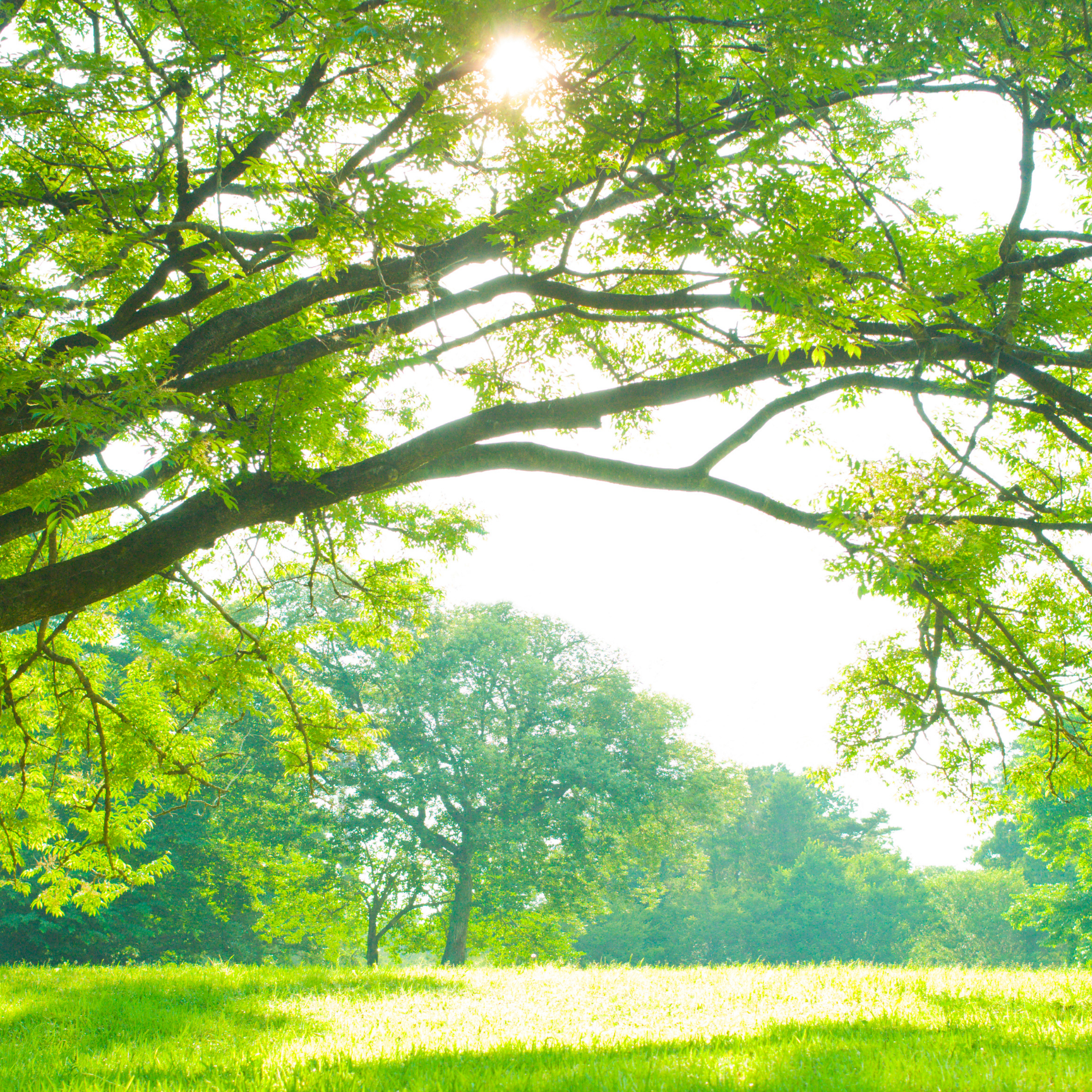
Public parks act as natural air filters. Trees and plants absorb pollutants, release oxygen, and reduce carbon dioxide levels. In densely populated cities, restored parks help:
Without healthy parks, cities struggle to provide clean air and comfortable living conditions.
Supporting Physical & Mental Well-Being
Access to green spaces directly impacts human health. Restored parks encourage:
Walking, jogging, and outdoor activities
Stress reduction and improved mental health
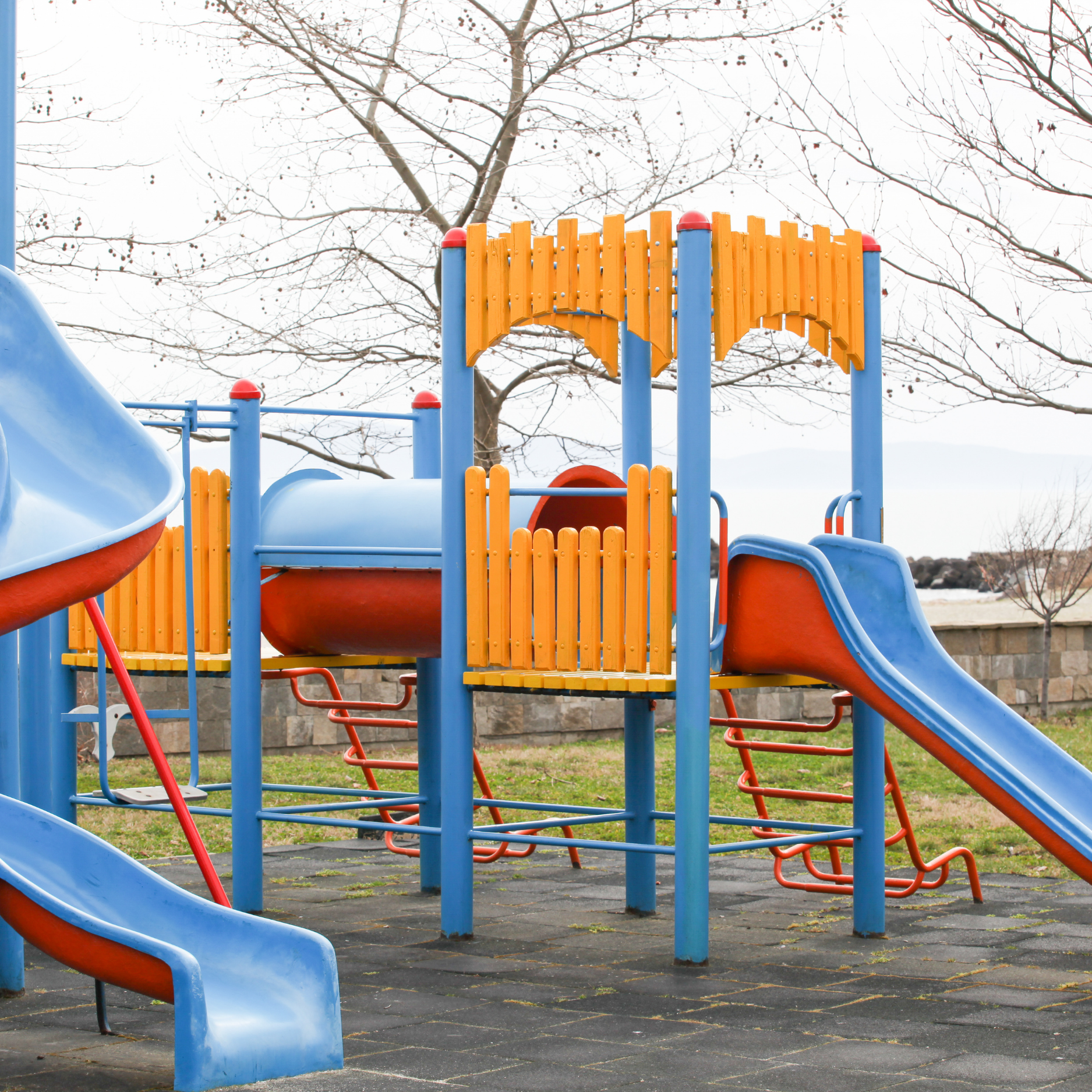
Safe play areas for children
Social interaction and community bonding
Green spaces offer a much-needed escape from crowded urban life.
Protecting Biodiversity in Cities
Even small urban parks support birds, butterflies, insects, and plant species. Restoring parks helps rebuild local ecosystems by:
Planting native tree species
Creating habitats for urban wildlife
Improving soil and water retention
Urban biodiversity strengthens environmental resilience.
Strengthening Communities Through Shared Spaces
A well-maintained park becomes a gathering place for people of all ages. Restoration projects foster:
When people care for shared spaces, cities become more inclusive and connected.
Climate Action Starts at the Local Level